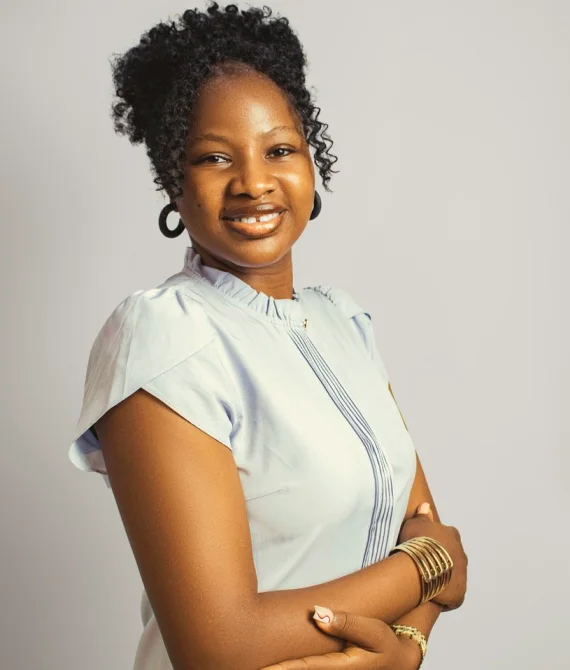
Head of Reporting
Helen Marsh
Helen spent many years as a television reporter before turning to teaching. She leads our on-camera and interviewing sessions.

Four people run mediafixnu in Bath, each responsible for a different part of the training. Between them they cover reporting, camera work, live coverage and the organisation that keeps cohorts running.
Helen spent many years as a television reporter before turning to teaching. She leads our on-camera and interviewing sessions.
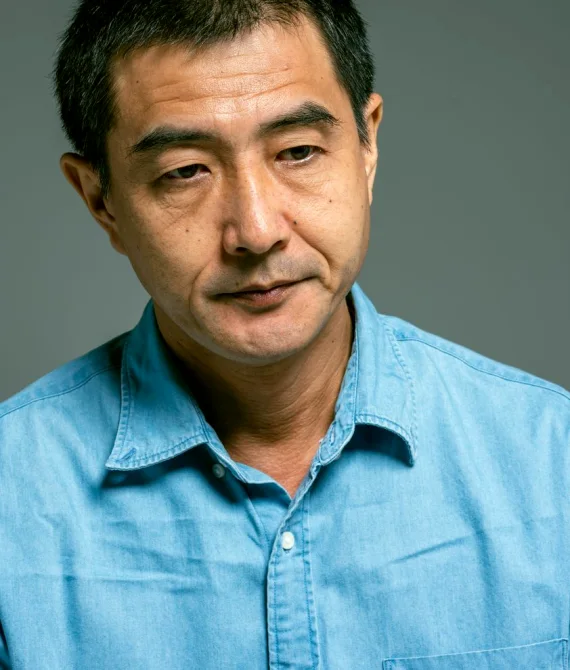
Daniel is a former news camera operator who teaches field technique, framing and audio capture on location.
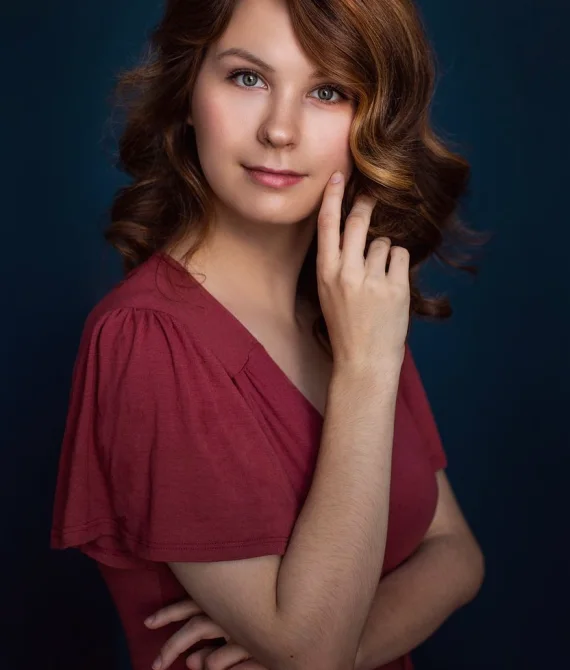
Priya has produced and directed live news programmes and now guides students through planning and running live reports.
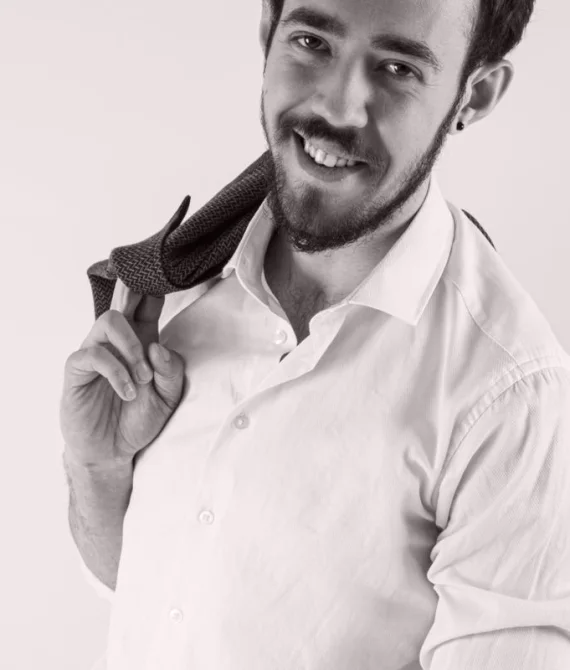
Tom organises our timetables, classroom materials and location sessions so each cohort runs smoothly.
Television news depends on skill, honesty and reliability, and those same qualities shape how we teach. Our sessions are small so that tutors can see what each student does and respond to it. The principles below explain how that plays out from one week to the next.
Craft means doing the job properly and showing others how. Our tutors insist on getting the basics right, from a steady frame to a clean audio recording, because those details decide whether a piece is usable. Students repeat exercises until the technique holds under pressure, and tutors correct habits early, before they become permanent.
Clarity applies to pictures, to speech and to feedback. We teach students to tell a story simply on camera and in the edit, and tutors explain their corrections in plain language. If you leave a session unsure what to change, we have not done our job, so we always finish by summarising what to practise next.
Accountability runs both ways. We do what we say we will on timetables, materials and follow-up, and we expect students to take responsibility for the accuracy and fairness of their reporting. In newsroom sessions we discuss ethics openly, including mistakes, because owning an error is part of working professionally.
A training hub in Bath for television reporters and camera operators: field camera technique, on-camera reporting and live coverage, taught in small practical sessions.