
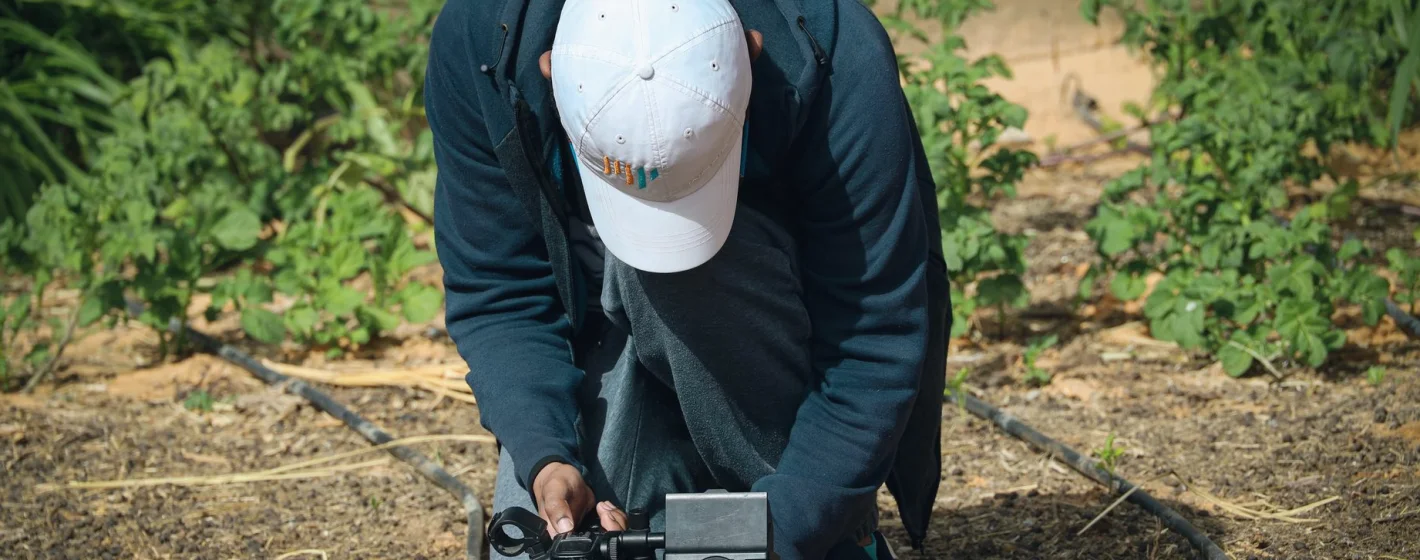
Training
Training for the people who report and shoot the news
mediafixnu teaches the working parts of television journalism: field camera technique, on-camera reporting, live coverage, newsroom judgement and one-to-one mentoring. Each strand is taught in small groups or individually, in a classroom in Bath or out on location, by tutors who have done the job.
Field Camera Techniques
Hands-on training in framing, exposure, audio capture and handheld stability for news shooting on location.
On-Camera Reporting
Coaching in script delivery, piece-to-camera structure, voice control and composure in front of the lens.
Live Coverage Strategies
Workshops on planning, cueing and adapting during live broadcasts, from live links to breaking events.
Newsroom Classroom Sessions
Small-group lessons on story selection, interviewing, ethics and editing choices for television news.
Professional Development Mentoring
One-to-one guidance for working reporters and operators who want to review footage and refine their practice.
Not sure which strand fits your current role? Tell us what you shoot or report on now and we will point you to the right starting place.
ContactField Camera Techniques
This strand is for new and working camera operators who shoot news away from the studio. Daniel Whitcombe teaches it on location, with real kit, real light and real time pressure, so the habits you build are the ones you will use on the job.
Contact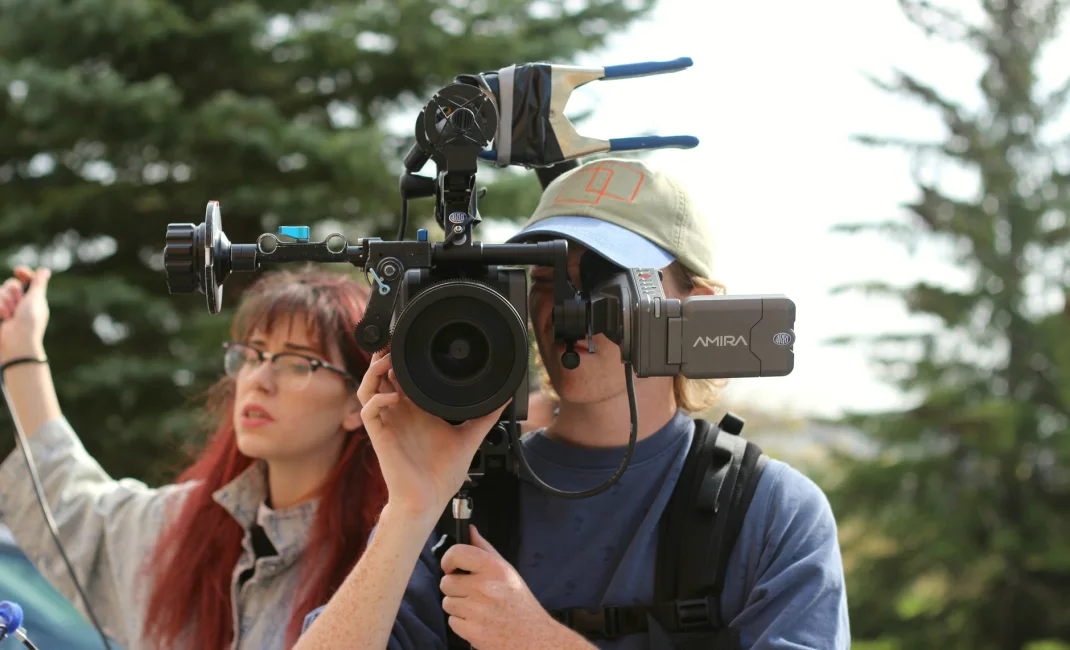
- Framing and shot choice
- You practise building shots that cut together: wides, mids and close details, plus cutaways. Daniel reviews each one with you and explains why a frame helps or hinders the edit.
- Exposure in changing light
- Outdoor news rarely gives you steady light. You learn to read a scene quickly, set exposure and white balance, and recover when the sun moves or you step indoors.
- Audio capture
- Poor sound ruins good pictures. We cover microphone choice, placement, monitoring with headphones and recording clean ambient sound for the edit.
- Handheld stability
- Shoulder-mounted shooting is physical. You work on stance, breathing and smooth movement so footage stays steady through a long interview or a moving scene.
Bring any camera you already use if you have one, wear clothes suited to the weather, and be ready to stand and walk outdoors for most of the session.
From first conversation to your first session
We keep the route into training simple and personal. You tell us where you are in your work, we agree which strand suits you, and Tom Ashworth organises the practical details. Each cohort is kept small so tutors can watch and correct what you actually do.
Tell us about your work
Get in touch through the contact page with a few lines on your experience, your role and what you want to improve. We read every message and reply personally, asking questions where we need to.
Choose a strand
We talk through the five training strands and suggest the one or two that fit best. Some people begin with camera work, others with reporting or live coverage, and combining strands is possible.
Confirm the practicalities
Tom arranges the timetable, the classroom or location, and what you should bring. You receive the details in good time so you can plan around your own work and travel.
Learn by doing
Sessions are hands-on. You shoot, report or plan live coverage, and the tutor gives feedback straight away while the work is fresh, then asks you to try it again.
Review and carry on
At the end we look back at your footage or delivery and talk about what to keep working on. Mentoring is available if you want regular one-to-one review afterwards.