
Sharper reporters, steadier camera work, taught on location and in class

Training for the people who put television news on air
mediafixnu runs practical courses for reporters and camera operators. Some sessions happen on location with a camera in your hands, others in a classroom around story choices and interviews. Mentoring is available for people already working who want a second pair of eyes on their footage.
Field Camera Techniques
Hands-on training in framing, exposure, audio capture and handheld stability for news shooting on location.
On-Camera Reporting
Coaching in script delivery, piece-to-camera structure, voice control and composure in front of the lens.
Live Coverage Strategies
Workshops on planning, cueing and adapting during live broadcasts, from live links to breaking events.
Newsroom Classroom Sessions
Small-group lessons on story selection, interviewing, ethics and editing choices for television news.
Professional Development Mentoring
One-to-one guidance for working reporters and operators who want to review footage and refine their practice.
Not sure which course fits? Tell us your current role and what you want to improve, and we will talk through the sessions that make sense for you before anything is agreed.
TrainingFrom first conversation to confident work in the field
Every cohort is kept small so tutors can watch what each person does and correct it on the spot. The path below is how most people move through our training, whether they arrive as beginners or as working journalists.
Talk to us about your goals
You get in touch by phone, email or the contact form and tell us what you do now and what you want to get better at. We ask about your experience with cameras, scripts and live work so we can point you to the right session.
What you leave withA clear recommendation of which sessions suit your role and experience.
Join a small group
Tom Ashworth, our course coordinator, confirms the timetable and sends the materials for your cohort. Groups stay small, so everyone handles equipment and speaks to camera rather than watching from the back of the room.
What you leave withA confirmed place, timetable and list of what to bring.
Learn the craft by doing it
Sessions alternate between classroom teaching and practice. You frame shots, record audio, deliver pieces to camera and plan live reports, with tutors giving direct feedback after each exercise instead of saving it for the end.
What you leave withRecorded exercises and tutor notes on each one.
Work on location
Location days put the techniques under real conditions: changing light, wind noise, moving subjects and limited time. You learn to make quick decisions and keep your work steady when the situation is not.
What you leave withFootage and reports shot outside the classroom, reviewed with your tutor.
Review and keep improving
After the course, mentoring lets you bring back your own footage or scripts for a one-to-one review. Tutors look at what you shot or said and suggest specific changes to try on your next assignment.
What you leave withA short list of habits to keep and habits to change.
Group sessions or one-to-one mentoring: which suits you?
Both routes aim at better television work, but they suit different people. This guide sets the group sessions beside mentoring so you can see where each is strongest before you get in touch.
| What to consider | Small-group sessions | One-to-one mentoring |
|---|---|---|
| Best suited to | Newer reporters and operators building core skills, or anyone wanting structured teaching. | Working professionals who already have experience and want to refine specific habits. |
| How it is shaped | A planned programme across classroom and location, with set exercises for the cohort. | Built around your own footage, scripts or assignments, so the focus is entirely on you. |
| Feedback | Tutor comments on your work plus the chance to learn from what others in the group try. | Detailed attention on your work only, with time to go through footage frame by frame. |
| Pace | Moves at the rhythm of the group, which keeps momentum and gives a shared timetable. | Moves at your speed, and can concentrate on one problem for as long as it needs. |
| Practice opportunities | Shared equipment, location days and peers to rehearse live scenarios with. | Practice comes from your own work between meetings, reviewed when you return. |
Many people begin with a group course and add mentoring later. If you are unsure, describe your current work and we will suggest where to start.
Questions we hear often
Here are answers to the practical points people ask before enrolling. If yours is not covered, call or email us and we will answer directly.
- Do I need experience before joining a course?
- Not necessarily. Some sessions suit people at the start of a television career, while others are aimed at those already working. Tell us what you have done so far and we will recommend a starting point. We would rather place you in the right session than the wrong one.
- Where do the sessions take place?
- Classroom sessions and coordination are based in Bath, and location sessions take place outside the classroom so you can work in real conditions. Tom Ashworth sends the details of each day before it begins. If travel is a concern, mention it when you get in touch.
- Do I need to bring my own camera?
- You will be able to handle equipment during field sessions, so you do not need to arrive with a full kit. If you want mentoring on your own footage, bring the material you shot. Ask us before your session if you are unsure what to bring.
- How large are the groups?
- Groups are kept small so tutors can watch each person work and comment on it. That means you will handle equipment and speak to camera yourself rather than observe. Exact numbers depend on the session, and we can tell you when you enquire.
- Can working journalists take part around their shifts?
- Many of our students are already working, and we understand that timetables are tight. Mentoring is especially flexible because it is built around your own assignments. Tell us your availability and we will see what fits before you commit to anything.
- Who will be teaching me?
- Helen Marsh leads reporting and interviewing, Daniel Whitcombe teaches field camera work, and Priya Nair guides live coverage. All have worked in television news. You can read about each tutor on the Our Tutors page before deciding.
- What will I be able to show at the end?
- You will have footage, recorded pieces to camera or live exercises from your sessions, along with tutor notes on each. Student Work shows the kind of material produced. We do not promise outcomes, but you will leave with practical results you can review.
- How do I enquire or enrol?
- Use the contact form on the Contact page, email [email protected] or call 01225 340187. Tell us your role and what you hope to improve. We will reply with suggestions and explain how to take your place.
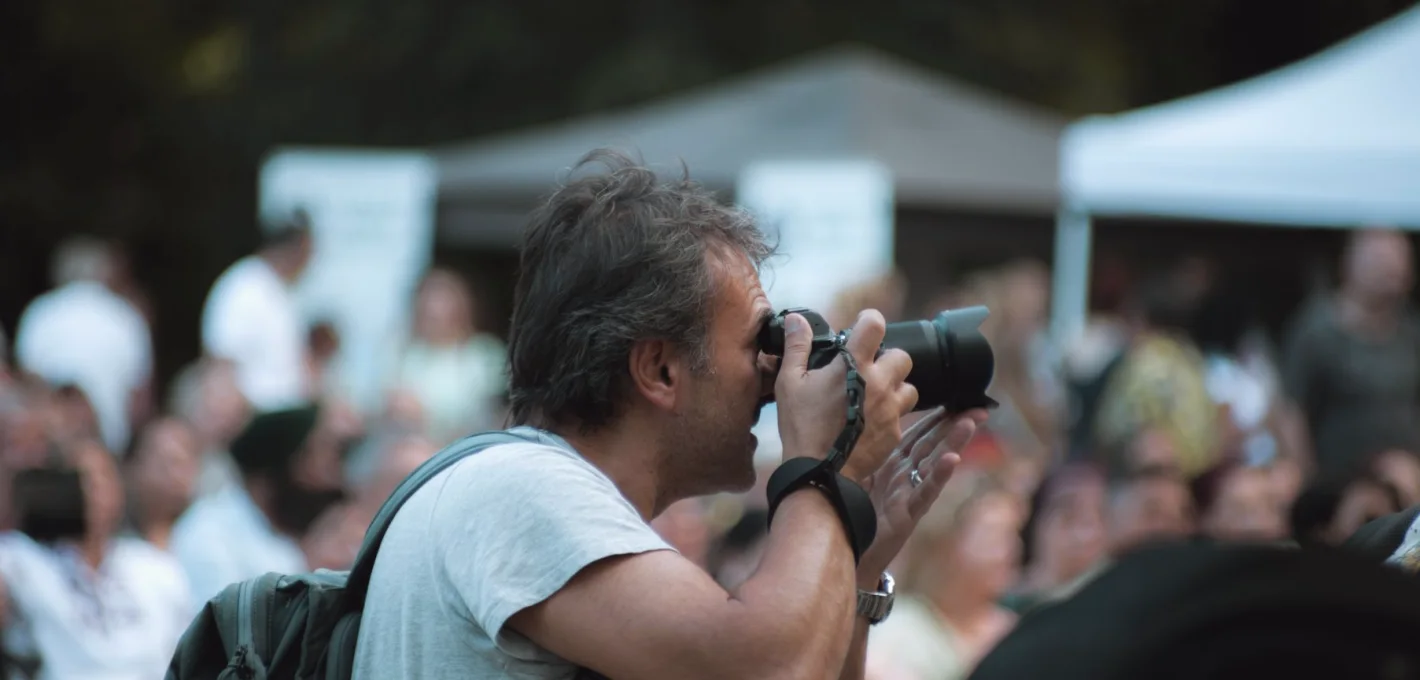
On-Camera Reporting
Building a Steady Piece to Camera, Step by Step
A practical walk through the first part of on-camera reporting: how to structure a piece to camera, settle your voice and rehearse so the take feels natural rather than recited.
Live Coverage
Before You Book Live Coverage Training: A Checklist to Work Through
A plain checklist for reporters and operators weighing up live coverage workshops: what to look at in your own work, the sessions and the kit before you commit.

Camera Craft
Six Field Camera Mistakes We See on Location and How to Fix Them
Most footage problems on location come from a handful of habits formed early. Here are the common ones in framing, exposure, audio and handheld stability, and the small changes that cure them.
Talk to us about your training
Send a message or call 01225 340187 with your role and what you want to improve, and we will suggest the sessions that fit.