
Shooting News Outdoors in the Dark Months: A Field Camera Primer
Mid autumn brings low sun, early dusk and wet weather. Priya Nair explains how to adjust framing, exposure, audio and handheld steadiness so your location footage holds up as the days shorten.
Why these weeks change how you shoot
Mid autumn is when many location shoots quietly get harder. The sun sits low for most of the day, shadows stretch across faces, and the usable light in the afternoon fades faster than anyone expects. A crew that planned a late interview slot in August can find, now, that the window closes before the second question is finished.
I teach live coverage, but I spend a lot of time alongside Daniel Whitcombe's field sessions, and the same pattern turns up every year. Operators who coped well in summer rely on habits that do not carry over: leaving exposure on automatic, trusting the sky to stay consistent, assuming dry ground.
This article is the last of our pieces on field camera work, so it looks ahead rather than repeating the basics. It covers the coming months: what changes in the light, the weather, the sound and your own body, and what to put in the bag and the plan before you leave.
Planning around early dusk
Start with the clock rather than the camera. Before you accept a location, work out when the light will be at its best and when it will be gone, then build the shoot backwards from that point. Interviews and pieces to camera that need a clean, even look belong in the middle of the day; cutaways and general views can be saved for the weaker light.
Walk or at least view the location early when you can. A square that is bright and open at noon may be in deep shade by three because of one tall building. Knowing where the shadow falls lets you place a reporter on the lit side of the frame instead of discovering the problem with the live link minutes away.
Always build in a spare half hour. Autumn traffic, wet roads and slower set-ups eat time quietly, and the daylight does not wait for a late crew.
- Check sunset time and note when your key shot loses light
- Shoot the most important interview first, not last
- Visit or view the location before the day if you can
- Keep a fallback indoor spot in case the weather turns
Exposure and framing in low, shifting light
Low sun gives a warm, flattering look but it moves quickly, and cloud can change the exposure within seconds. Switch away from fully automatic settings for any interview, fix your exposure on the face rather than the background, and check it again whenever the reporter moves or the clouds break. Watch the highlights in a bright sky; a pale grey autumn sky is easy to burn out while you expose for a dark coat.
Framing needs more care too. With the sun behind a reporter, you get a glowing edge on the hair but a dark face. Turn the position so the light falls across or onto the face, and keep the background tidy, because wet leaves, puddles and reflective roads add distractions you did not have in dry weather.
Take a moment to set your white balance for the actual light, not for the last location. Cool overcast and warm low sun look very different on the same face.
Audio when the weather turns
Poor sound ruins more autumn reports than poor pictures. Wind gusts, rain on a jacket, traffic hissing on wet tarmac and leaves blowing across the ground all end up in the recording unless you plan for them. Put a proper windshield on every microphone, including the one on the reporter, and carry a spare in case one is soaked through.
Position matters as much as equipment. Turn the reporter so their back, not their face, takes the wind, and keep the microphone close to the mouth instead of turning the gain up. Listen on headphones for the whole take; a camera meter shows level but cannot tell you that a bus lane is rumbling under every sentence.
Record a short stretch of the location's natural sound as well. In the edit, that clean ambience covers joins and gives the piece a sense of place.
- Fit a windshield to every microphone before you leave
- Keep a dry spare and a cloth in your jacket
- Monitor on headphones for every take, not just the first
Keeping the handheld shot steady and yourself comfortable
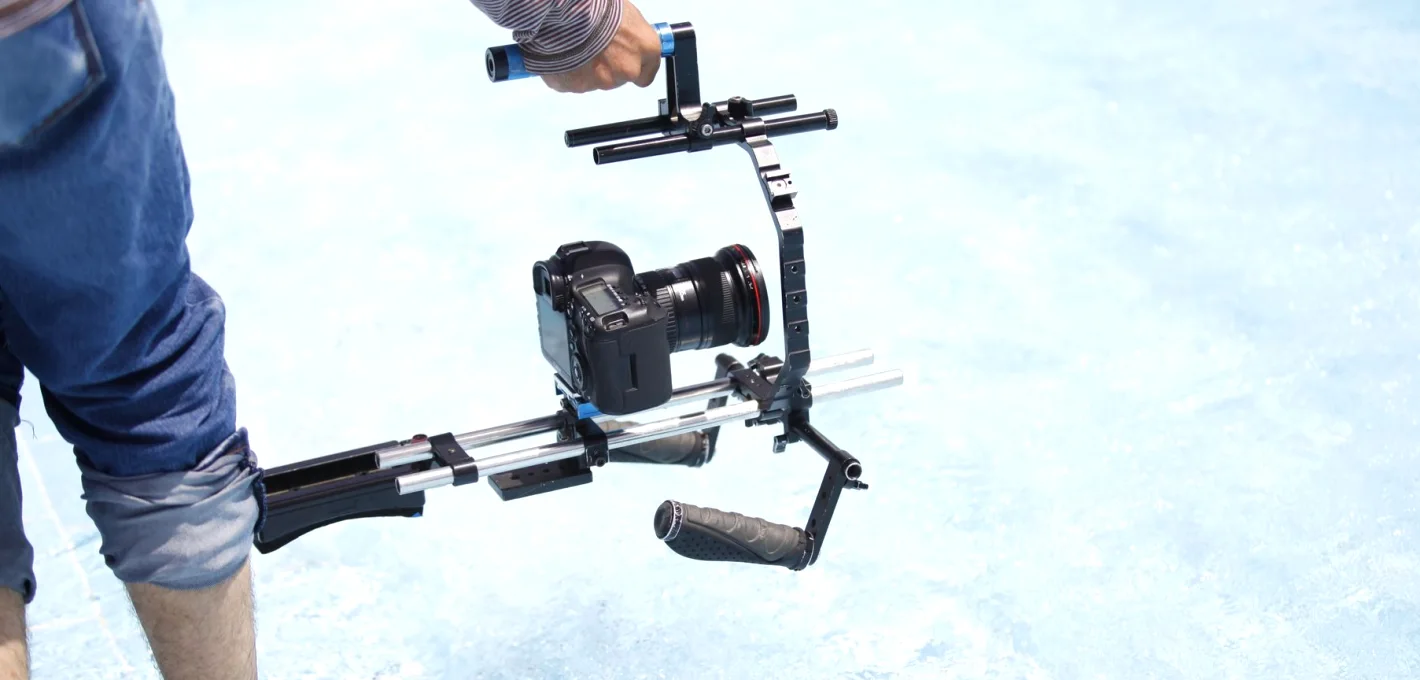
Cold hands and heavy coats change how you hold a camera. Stiff fingers make small, jerky corrections, and bulky sleeves alter where the camera rests on your shoulder. Warm up before you start shooting, wear thin gloves that still let you reach the controls, and practise your usual breathing and stance in the clothes you will really be wearing.
Wet ground deserves respect as well. Plant your feet wide, bend the knees slightly, and treat leaves, kerbs and cobbles as the hazards they are, especially when walking backwards with a reporter. Move less than you think you need to; a steady, deliberate shot always beats a restless one.
Look after the kit. Wipe the lens often, keep a rain cover handy, and let equipment adjust gradually when moving between a cold street and a warm building, so condensation does not cloud the glass.
A short kit and routine check for the season
Before each autumn shoot, I would run through the same short routine. It takes five minutes and has saved more recordings than any piece of expensive equipment. Check the batteries, since cold drains them faster than you expect, and carry more than you think you will use. Pack the rain cover, lens cloths, spare windshield and a small torch for reading settings once the light drops.
Then check the plan rather than the bag. Confirm your daylight window, the position of the sun, the likely wind direction and where you will retreat if it rains. Agree with the reporter on which shots matter most, so that if the weather closes in you already know what you must come back with.
None of this is complicated, but it is the kind of preparation that separates a calm shoot from a rushed one.
- Spare batteries, kept warm in an inside pocket
- Rain cover, lens cloths and a spare windshield
- A torch and a clear fallback location
- Agreed priority shots before you start
The coming months reward operators who prepare earlier and shoot more deliberately. Plan around the shrinking daylight, set your exposure by hand, protect your sound from wind and rain, and look after your own hands and footing as carefully as your kit. If you would like to practise these habits on location with an instructor beside you, our field camera sessions cover them in small groups, and the winter is a good time to build the routine.