
Mentoring Questions Reporters Ask Us Most Often, Answered
The question we hear most about one-to-one mentoring is what actually happens in a session. Here is how footage review, feedback and follow-up work for reporters and operators.
The question we hear most
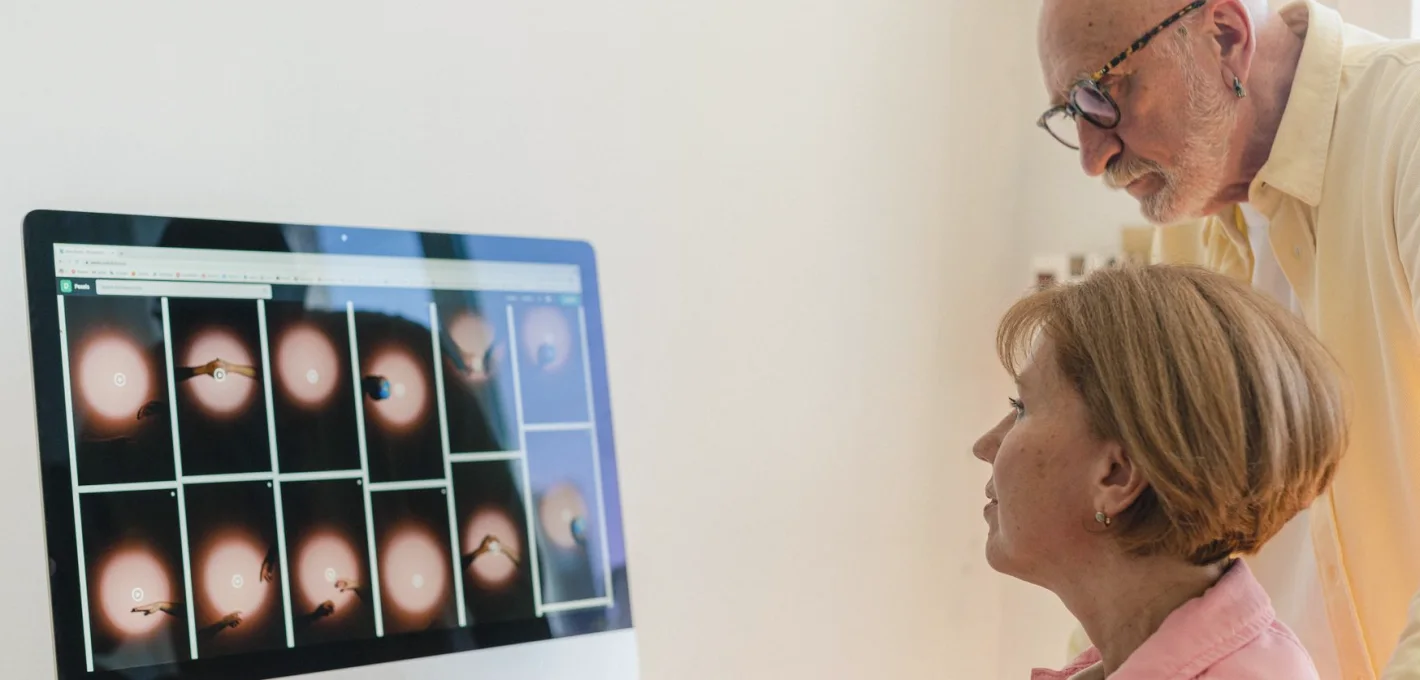
Nearly every enquiry about mentoring begins the same way: what do we actually do in a session? People picture something vague, a chat over coffee about careers. It is closer to a working edit suite. You bring footage, we sit beside a monitor, and we go through it shot by shot and line by line.
I teach field technique, so much of what I see is operators who already shoot every week and want a second pair of eyes. Reporters bring packages and pieces to camera. Either way, the material on the screen sets the agenda, not a syllabus. That is the main difference from our classroom and location sessions, which follow a shared plan for a whole group.
What you need to bring
The more specific the material, the more useful the hour. Bring a recent piece you were reasonably pleased with and one that left you uneasy. Comparing the two often shows the pattern faster than any lecture could, because the same habits turn up in both.
Raw rushes are better than a finished edit for operators, since I can see what you chose not to use and how long you held each shot. Reporters should bring the script alongside the recording. If you have a deadline pattern, such as shooting alone in the afternoon and filing by evening, tell me, because advice that ignores your real working day does not last.
- A recent piece you liked and one you did not
- Raw rushes if you shoot, scripts if you report
- A note of your usual working conditions
- One or two things you want to change
How a session runs
We usually begin by watching without comment, start to finish, so you hear my first reaction as a viewer would. Then we go back and stop on the moments that matter: a soft focus pull, a wobble on a walking shot, a sentence delivered too fast, audio that sits too far under the ambient noise.
I ask you to explain your choices before I explain mine. Often the reason is sound and only the execution needs work. Where it is a habit, we agree one or two changes to try on your next shoot rather than a list of twelve. People remember two corrections. They forget the rest by the next morning.
Will it suit someone experienced?
This is the second most common question, usually asked by someone who has worked in television news for years and wonders whether mentoring is meant for beginners. It is not. Many of the people we see have long careers and no one left at work who reviews their material honestly.
In a busy newsroom, feedback tends to arrive only when something goes wrong. A mentoring session gives you time to look at ordinary, competent work and ask whether it could be sharper. Experienced operators often find small, long-standing habits, like riding the zoom or framing every interview in the same way, that they had stopped noticing years ago.
What follows the session
Guidance does not end when the hour does. You leave with a short set of points to work on, written in plain language, and the next session starts by looking at whether they changed your footage. That second look is where most of the improvement is confirmed, or where we find the advice needs adjusting.
Many people book one session to test the approach and then return every few weeks around a particular goal, such as a showreel for a new role or a move from shooting to presenting. Tom Ashworth, our course coordinator, can explain how sessions are scheduled, and the contact form on this site is the way to reach him.
What mentoring will not do
It will not hand you a formula. Television news is shot in rain, in crowds and in poor light, and no rule survives all of it. What a mentor can do is help you build judgement, so that you make better decisions when no one is standing beside you.
It also will not replace practice. The changes we agree only stick if you try them on real jobs, and some will feel awkward for a few weeks. Be patient with that. Awkward usually means you are doing something new rather than something wrong, and the next review will show which it is.
If you take one thing from these answers, let it be that mentoring starts with your own footage and your own working day. It suits beginners and old hands alike, it asks for a recent piece and an honest wish to change something, and it ends with a short list you can act on. If that sounds useful, get in touch through the contact page and we will talk it through.