
Before You Book a Newsroom Classroom Session: A Checklist
Six questions worth answering before you commit to a small-group classroom course on story selection, interviewing, ethics and editing, written by the instructor who sits in on many of them.
Start with what you want to leave the room able to do
Before you look at dates or group sizes, write down one sentence about what should be different in your work a month after the course. Our Newsroom Classroom Sessions cover story selection, interviewing, ethics and editing choices for television news, and that is a wide field. A reporter who keeps losing the lead in a long package needs something different from an operator who is being asked to sit in on edit decisions for the first time.
I teach camera technique, so I come at this from the shooting side, and I notice how often people sign up for a classroom course when what bothers them is a specific habit. Naming that habit first makes every later question easier, because you can ask whether the sessions will actually spend time on it.
Keep the sentence short and concrete. Something like 'stop accepting the first answer in an interview' is far more useful than 'become a better journalist'.
- Write one sentence describing the change you want
- Name the single habit that causes you most trouble now
- Note whether it sits in story choice, interviewing, ethics or editing
Check where you sit between story selection and editing
The four strands of the sessions do not suit everyone equally. Story selection is about deciding what deserves air time and what angle earns it. Interviewing is about preparation, listening and follow-up. Ethics covers consent, fairness, distress and the line between reporting and intruding. Editing choices look at how the cut shapes what the viewer believes.
Be honest about which of these you already handle well. A working reporter with years of doorstep experience may need less on interviewing and more on editing judgement. A newer operator may find the ethics discussion changes how they frame a shot at a sensitive scene.
If your gaps are all in one strand, ask whether a classroom group is the best route or whether one-to-one mentoring would fit better. Both exist here, and they suit different problems.
- Rate yourself on each of the four strands
- Pick the one or two where you feel least secure
- Ask which strand the session leans on most
Think about what a small group really gives you
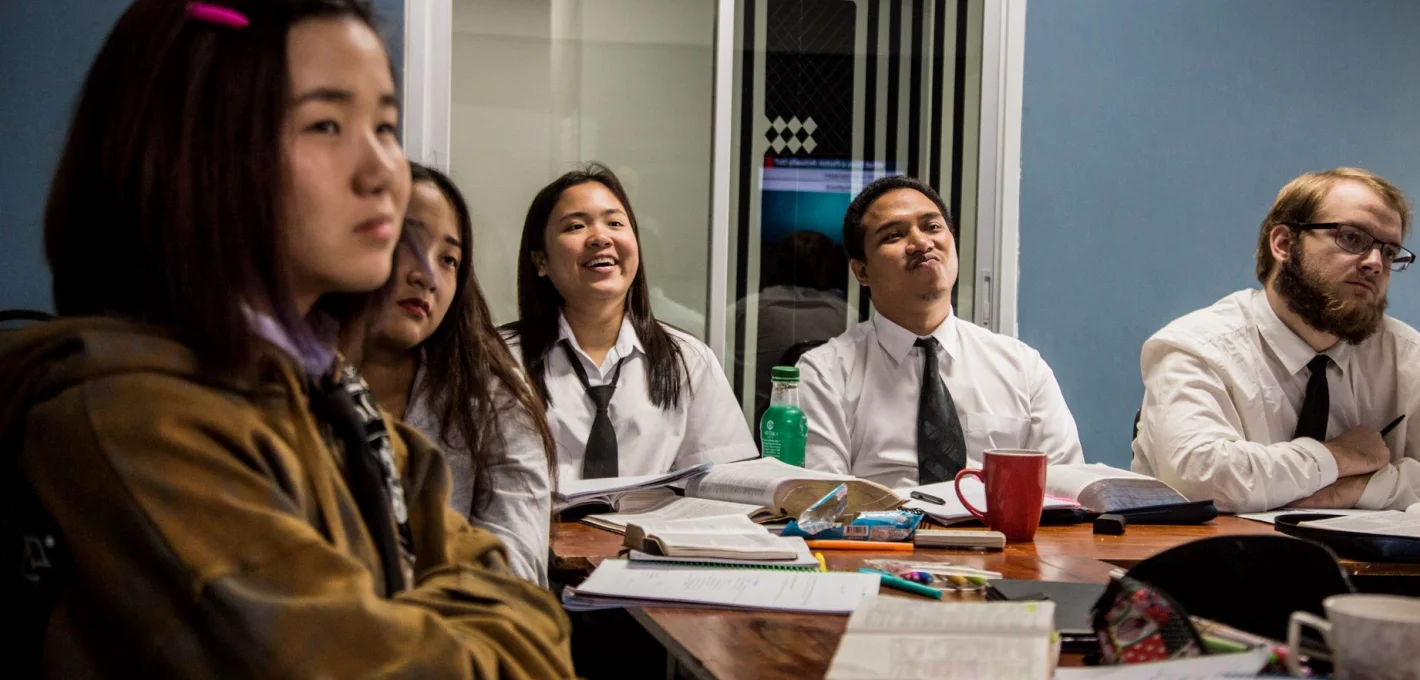
The groups are kept small on purpose. In a small room everyone speaks, everyone shows work and everyone hears feedback aimed at someone else that turns out to apply to them. That is the main thing the format offers, and it is worth asking yourself whether you learn well that way.
Some people do their best thinking when they can test a view against four or five colleagues with different backgrounds. A broadcast reporter, a local-radio convert and a freelance operator will argue about a story differently, and you pick up their reasoning as well as their conclusions.
Others find group exercises draining. If you know you hold back in a crowd, say so when you enquire, so the tutor can draw you in rather than leaving you to drift.
Bring real material and decide what you will share
Classroom work is stronger when it starts from something you have actually done. A package you were unhappy with, a running order that fell apart, an interview that went nowhere: any of these gives the group something concrete to pull apart, kindly and usefully.
Before you decide, check what you are free to show. If your material belongs to an employer, find out whether you can use it in a teaching setting, and whether names or faces need to be hidden. Sorting that out in advance avoids an awkward moment on the day.
Also think about what you are willing to have discussed. Feedback in these rooms is direct but fair, and people who arrive expecting only praise tend to be unsettled. Arrive expecting to hear what you could do differently.
- Choose one or two pieces of your own work
- Confirm you have permission to show them
- Decide in advance what you want feedback on
Work out the practical side before you fall in love with the idea
Time, travel and cost are the unglamorous questions that decide whether a course actually happens. We are based in Bath, so think about how you will get here, whether you need to stay overnight and what your employer will release you for. Our course coordinator, Tom Ashworth, can talk through timetables and what each cohort involves.
Think too about when in your working year the sessions fall. A course taken in a busy news period is hard to concentrate on, and one taken in a quiet stretch lets you try ideas straight away. Mid autumn, with the clocks about to change and the dark evenings arriving, is a fair time for many people to settle into a course.
Ask what you will need to bring and what you will be given, so there is nothing to scramble for on the first morning.
Ask what you will do with it afterwards
A good classroom session does not end when the group disperses. Decide before you book how you will apply what you learn: which story you will pitch differently, which interview you will prepare more carefully, which edit you will revisit with fresh eyes.
It helps to tell someone at work what you are doing, so that the new habits meet some encouragement rather than suspicion. A producer who knows you have been studying interview technique may give you the room to try a longer, quieter question.
If you want continued support, it is worth knowing that mentoring is available for people who would like to go back over their own footage after the course.
None of these questions needs a long answer, but together they tell you whether a Newsroom Classroom Session is the right step now or whether something else should come first. If you can name the habit you want to change, say which strand it belongs to, and arrange the time and permissions to take part, you are ready to get in touch. If you cannot yet, that is useful to know. Take a few days, work through the list again, and ask us about anything that is still unclear.